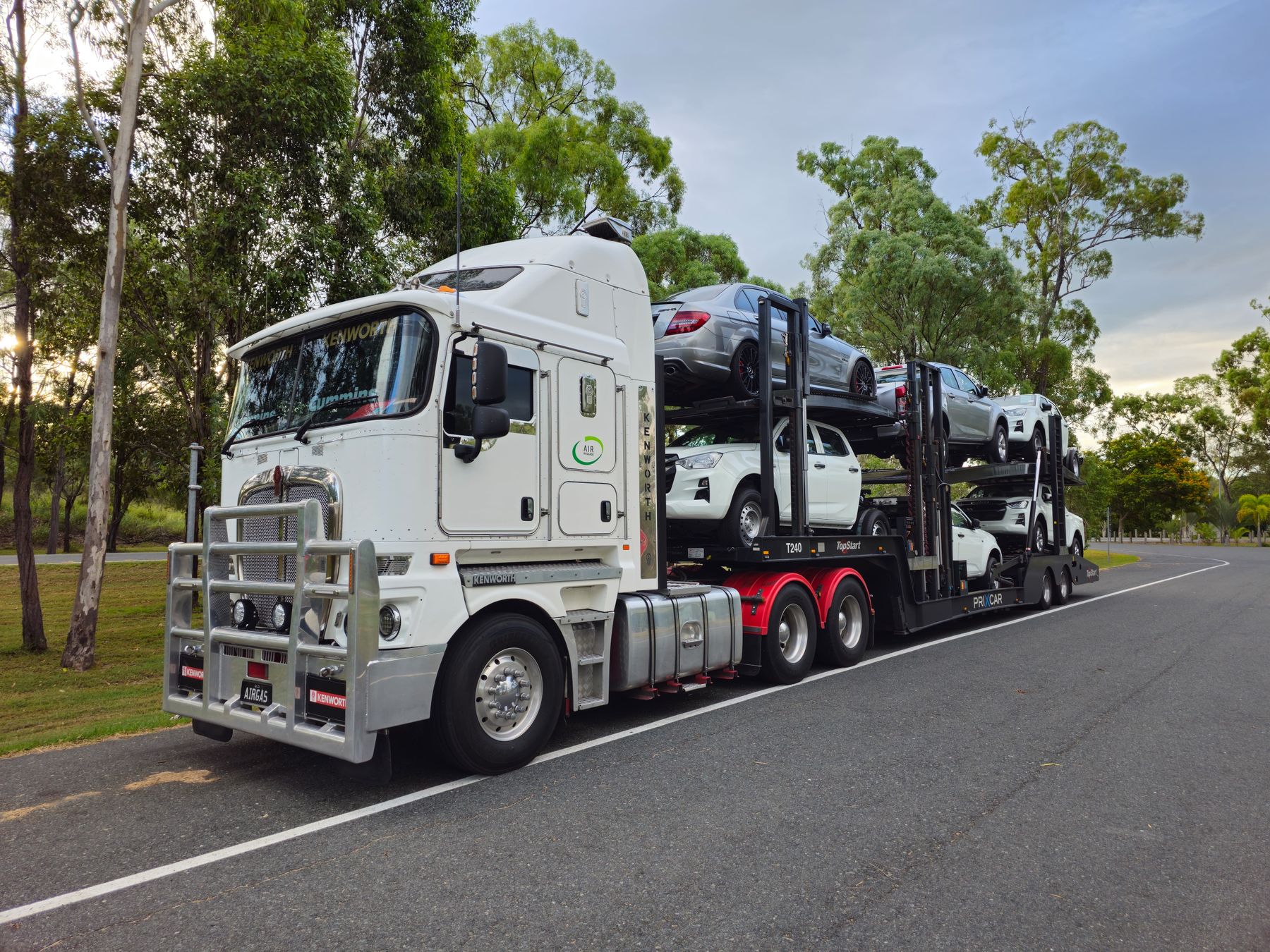
Plan the lane before you request transport.
Explore common metro pairs, interstate corridors, equipment choices, pickup realities, and route-specific context before entering your exact ZIP codes.

Alabama → Texas
Birmingham and Mobile connect to Texas through different major corridors, so exact origin and destination matter significantly.
Arizona → California
A frequently traveled Southwest lane with strong metro connections and relatively straightforward corridor access.
Arkansas → Florida
A longer Southeast lane where exact Arkansas origin can significantly change the route and provider positioning.
Arkansas → Texas
Little Rock has direct access toward North Texas, while northwest Arkansas and Houston pairings may require different corridors.
California → Arizona
A relatively active Southwest lane with strong metro pairs and frequent dealer, relocation, and seasonal traffic.
California → Florida
A long cross-country lane where trailer space, exact endpoints, season, and timing can materially change provider availability.
California → Nevada
High-volume metro pairs can be easy to match, while remote desert endpoints may need more flexibility.
California → New York
A long-distance lane where weather, carrier positioning, and NYC-area access can significantly affect timing.
California → Oregon
The I-5 corridor supports regular northbound traffic, especially between California metros and the Willamette Valley.
California → Texas
This is a major long-haul lane with substantial metro-to-metro activity. Exact pickup ZIPs and flexibility still matter, especially outside large population centers.
California → Washington
The I-5 corridor supports regular north/south carrier flow, but exact origin and destination distance from the interstate still matters.
Colorado → California
Mountain weather and pass conditions can affect schedules, especially outside the summer season.
Connecticut → Florida
A Northeast snowbird route where coastal congestion and seasonal directionality can materially affect capacity.
Delaware → Florida
A compact Mid-Atlantic origin feeding directly into the I-95 Florida corridor, with seasonal demand shifts.
Florida → California
A long cross-country shipment where provider schedule, equipment type, and pickup flexibility are especially important.
Florida → Illinois
Seasonal movement between Florida and the Midwest can create strong traffic in one direction at certain times of year.
Florida → Massachusetts
Spring return traffic can increase northbound demand, while final-mile access around Boston may require a meeting point.
Florida → New York
One of the most recognizable snowbird corridors, with strong seasonal directionality that can affect pricing and capacity.
Florida → Pennsylvania
Seasonal traffic can make this lane directionally busy, especially during snowbird return periods.
Idaho → California
Boise-area moves have the strongest corridor access, while eastern and northern Idaho origins can require more repositioning.
Illinois → Arizona
A long Midwest-to-Southwest lane where winter conditions and endpoint location influence timing.
Illinois → Florida
Midwest-to-Florida demand can shift with the seasons and weather, changing available trailer capacity.
Indiana → Florida
A familiar Midwest-to-Florida route with strong interstate access and seasonal southbound demand.
Indiana → Texas
Central Indiana has good national corridor access, while southern Indiana origins can favor different routes toward Texas.
Iowa → Florida
A long Midwest-to-Florida lane where winter conditions and seasonal southbound demand can affect capacity.
Iowa → Texas
I-35 provides a direct central corridor from Des Moines toward North Texas, with additional distance for eastern Iowa or Houston endpoints.
Kansas → Texas
I-35 creates a direct Kansas-to-North-Texas corridor, while Houston and western Kansas endpoints require additional positioning.
Kentucky → Florida
Kentucky has good north-south access toward Florida, with Louisville and Lexington typically easier to match than rural eastern locations.
Louisiana → Texas
A relatively active Gulf and regional lane with particularly direct access between southern Louisiana and Houston.
Maine → Florida
One of the longest East Coast snowbird moves, with stronger provider access in southern Maine than farther north.
Maryland → California
A long coast-to-coast move where urban pickup access and flexible dates can improve provider fit.
Maryland → Florida
Dense I-95 traffic supports this lane, while Baltimore–Washington congestion can affect loading and pickup coordination.
Massachusetts → California
A long New England-to-West Coast route where winter conditions and Boston-area truck access can materially affect scheduling.
Massachusetts → Florida
A major New England snowbird lane with strong seasonal directionality and important Boston-area access considerations.
Michigan → California
A long automotive-market lane where exact pickup location and winter conditions can affect provider schedules.
Michigan → Florida
A strong seasonal route where winter departures from Michigan can create heavy southbound demand.
Minnesota → Florida
A long snowbird lane with pronounced winter southbound demand and spring return traffic.
Mississippi → Texas
Jackson and the Gulf Coast use different direct corridors toward Texas, making exact endpoints especially important.
Missouri → Florida
St. Louis and Springfield can connect efficiently toward the Southeast, while Kansas City origins add western repositioning.
Missouri → Texas
Kansas City and Springfield have relatively direct access toward Texas, while St. Louis routes may take a different southbound corridor.
Montana → California
A long western lane where low market density, mountain weather, and provider repositioning can strongly affect pickup windows.
Nebraska → Texas
Omaha and Lincoln can connect efficiently toward Texas, while western Nebraska adds significant repositioning.
New Hampshire → Florida
A New England snowbird lane where southern New Hampshire is typically easier to serve than northern mountain markets.
New Jersey → Florida
Dense Northeast traffic combines with strong Florida demand, making pickup access and season important variables.
New Mexico → California
I-40 and I-10 support two major westbound options depending on the exact New Mexico origin and California destination.
New Mexico → Texas
Las Cruces to El Paso is regional, while Albuquerque-to-central-Texas moves require longer interstate positioning.
New York → California
Long distance, winter weather, and urban pickup restrictions all influence provider schedules.
New York → Florida
Snowbird and relocation demand can make this lane seasonally busy, especially around major metro areas.
New York → Georgia
Strong East Coast metro demand supports this lane, though city access and Northeast congestion can affect pickup.
North Carolina → Florida
A busy Southeast corridor where coastal and mountain pickup points can differ significantly from metro availability.
North Dakota → Texas
A long north-south route where winter weather, low density, and provider positioning can materially affect pickup timing.
Ohio → California
A long Midwest-to-West Coast lane where provider positioning and exact metro access strongly influence pickup timing.
Ohio → Florida
A common Midwest-to-Florida route with strong metro demand and seasonal swings in trailer capacity.
Ohio → Texas
Central interstate access helps this lane, while rural endpoints can add repositioning time.
Oklahoma → Texas
Oklahoma City to North Texas is a direct regional lane, while Tulsa and Houston pairings can require different routing.
Oregon → California
A core West Coast lane with strong I-5 access, while eastern and coastal Oregon origins can require additional repositioning.
Oregon → Texas
A long Northwest-to-Texas move where exact Oregon origin and provider positioning can have a large effect on pickup timing.
Pennsylvania → California
A long cross-country lane where metro access, winter weather, and flexible pickup timing can make a significant difference.
Pennsylvania → Florida
A major Northeast-to-Florida lane where season, exact Pennsylvania pickup market, and Florida destination can materially affect capacity.
Pennsylvania → Texas
A long interstate move linking dense Northeast markets with major Texas metros; exact endpoints and route positioning matter.
Rhode Island → Florida
A direct East Coast lane tied closely to the broader New England snowbird market.
South Carolina → Florida
A relatively direct Southeast lane, with coastal and inland origins creating different pickup patterns.
South Carolina → Texas
I-20 supports a useful westbound corridor from the Carolinas toward Texas, though coastal pickups may require extra repositioning.
South Dakota → Texas
Sioux Falls has the most direct southbound access, while western South Dakota requires greater repositioning.
Tennessee → Florida
Tennessee has good north-south interstate access, but exact east or west Tennessee origin can change the likely corridor.
Tennessee → Texas
Memphis can be especially well positioned for Texas-bound traffic, while eastern Tennessee requires more repositioning.
Texas → Arizona
Western Texas and Phoenix-area traffic create a useful corridor, but exact route depends heavily on endpoints.
Texas → California
Strong demand in both directions makes this a core interstate lane, but rural Texas endpoints can add repositioning miles.
Texas → Florida
A major southern lane with strong metro activity and seasonal capacity changes toward Florida.
Texas → New York
Dense destination markets help carrier demand, while NYC restrictions can affect exact delivery arrangements.
Utah → California
Strong interstate connections make this an active western lane, with different routing for Salt Lake City versus St. George.
Utah → Texas
Mountain weather and long distances between major markets can affect schedules on this interior West route.
Vermont → Florida
A lower-density New England snowbird lane where mountain access and winter weather can add scheduling complexity.
Virginia → Florida
A direct East Coast lane with strong metro connectivity, though Washington-area traffic can complicate pickup timing.
Virginia → Texas
This Southeast-to-Texas lane depends heavily on exact origin, especially between Northern Virginia, Richmond, and Hampton Roads.
Washington → California
West Coast carrier traffic is strongest along major interstate corridors, while eastern Washington can require repositioning.
West Virginia → Florida
Mountain access can matter as much as distance, especially for pickups away from the major interstates.
Wisconsin → Florida
Southeastern Wisconsin has good access toward Florida, while northern origins can add repositioning miles.
Wyoming → Texas
Cheyenne has the strongest direct southbound access; winter wind and interstate closures can significantly affect schedules.