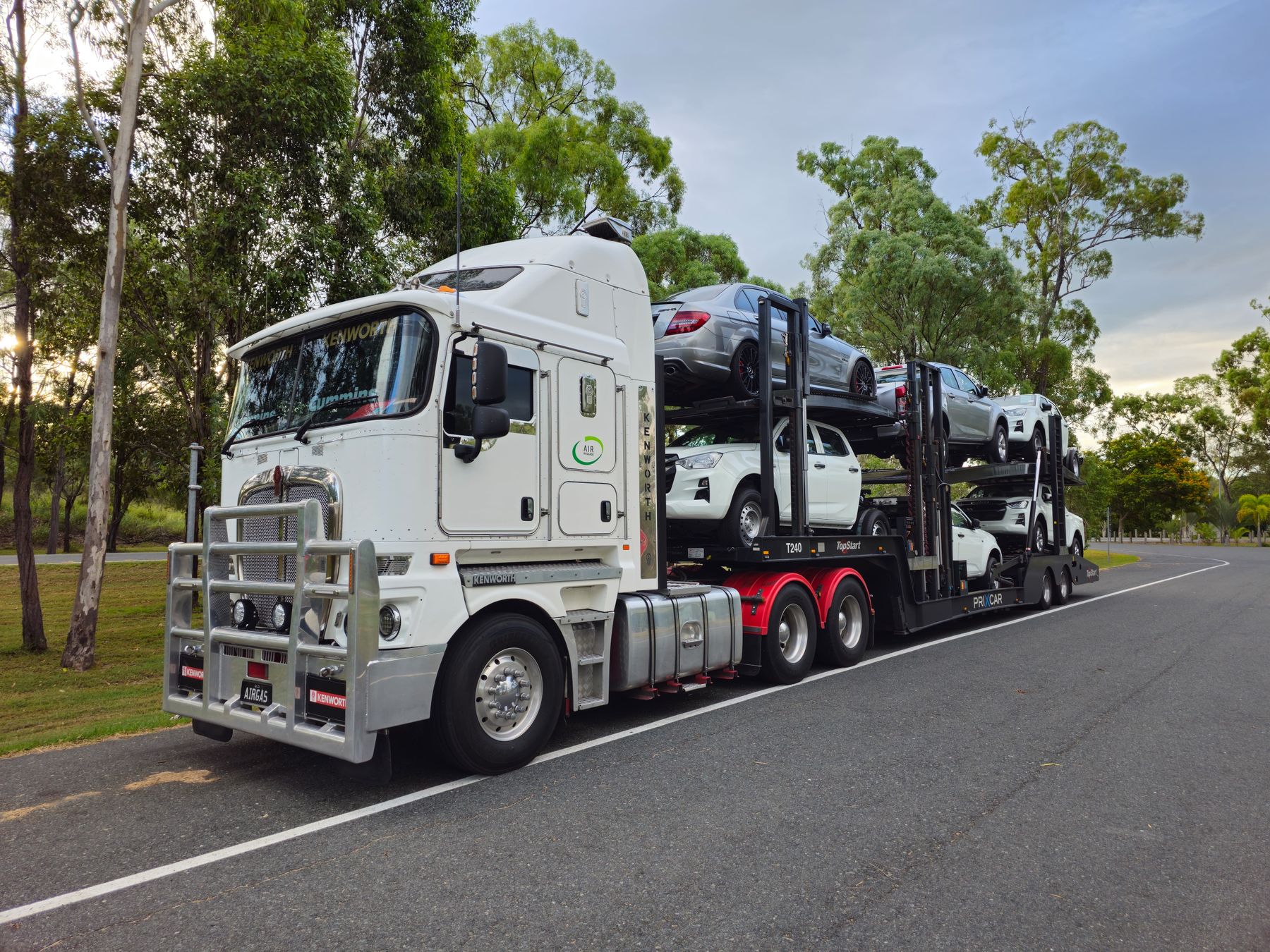
Greater Boston pickups may require a nearby accessible meeting point when residential streets are tight for large carriers.
INTERSTATE AUTO TRANSPORT
Massachusetts → Florida
A major New England snowbird lane with strong seasonal directionality and important Boston-area access considerations.
MAMassachusetts
FLFlorida
ROUTE-SPECIFIC GUIDANCE
Massachusetts to Florida is a major seasonal car-shipping lane.
This New England-to-Florida corridor sees strong seasonal demand, especially during southbound snowbird periods. Boston-area truck access, exact Florida destination, vehicle condition, service type, and pickup flexibility can all affect provider fit and timing.
Jacksonville, Orlando, Tampa, and South Florida create different final-mile distances even on the same interstate corridor.
Compare open and enclosed transport based on the vehicle and current provider capacity rather than relying on one universal route price.


THE LANE
Carrier fit starts with the exact endpoints.
Massachusetts
BostonWorcesterSpringfield
Florida
JacksonvilleOrlandoTampaMiami
WHAT MOVES THE PRICE
Distance is only one part of the quote.
Real provider pricing depends on exact ZIP codes and current capacity, so route pages should explain the variables rather than publish a fake universal price.
Exact pickup & delivery
Metro-to-metro access is different from rural repositioning or difficult residential access.
Vehicle size & condition
Large, modified, low-clearance, or non-running vehicles can require different equipment.
Open vs enclosed
Enclosed equipment generally has lower capacity and a different market price.
Pickup flexibility
A narrow pickup requirement can reduce the provider pool compared with a flexible window.
ROUTE PLANNING
What providers are likely to consider.
Likely corridors
I-90 / I-84 / I-95I-91 connections
Pickup reality
Large carriers need legal, safe access and enough space to maneuver. A nearby commercial meeting point can sometimes be more practical than a narrow residential street.
Timing reality
An estimated window is not a carrier assignment. The provider actually handling the shipment should confirm pickup coordination.
SERVICE CHOICES
Choose equipment based on the vehicle.

BEFORE YOU BOOK
Use the guides that match this shipment.
EXPLORE BOTH ENDS
State guides for this shipping route.
Review pickup access, local transport markets, and seasonal conditions at both ends of the shipment.
Compare nearby shipping plans.
Review other lanes from the same origin, to the same destination, or in the reverse direction. Availability and pricing can differ by direction.