Clean for inspection
The vehicle does not need to be detailed, but dirt should not hide dents, scratches, chips, or other existing marks.
Photos, loose items, fuel, keys, tires, alarms, and access are easier to understand when you can see the vehicle you are preparing.

The vehicle does not need to be detailed, but dirt should not hide dents, scratches, chips, or other existing marks.
Capture every side, wheels, windshield, roof when practical, odometer, and close-ups of existing damage. Keep the originals with timestamps.
Do not assume personal property is covered by vehicle cargo insurance. Ask the assigned provider about its policy before leaving anything inside.
Remove or firmly secure detachable antennas, roof accessories, spoilers, covers, and other pieces that could move in transit.
Confirm the battery has charge, tires hold air, and there are no major leaks. Tell the provider in advance if the vehicle does not run, steer, brake, or roll normally.
Most auto transport providers prefer a low fuel level because extra fuel adds weight without helping the shipment. Confirm the assigned provider’s requirement.
Turn off aftermarket alarms and consider removing toll tags so the vehicle does not trigger unwanted events or charges.
The driver needs access to load and unload the vehicle. Keep your primary set and provide a working key as instructed.
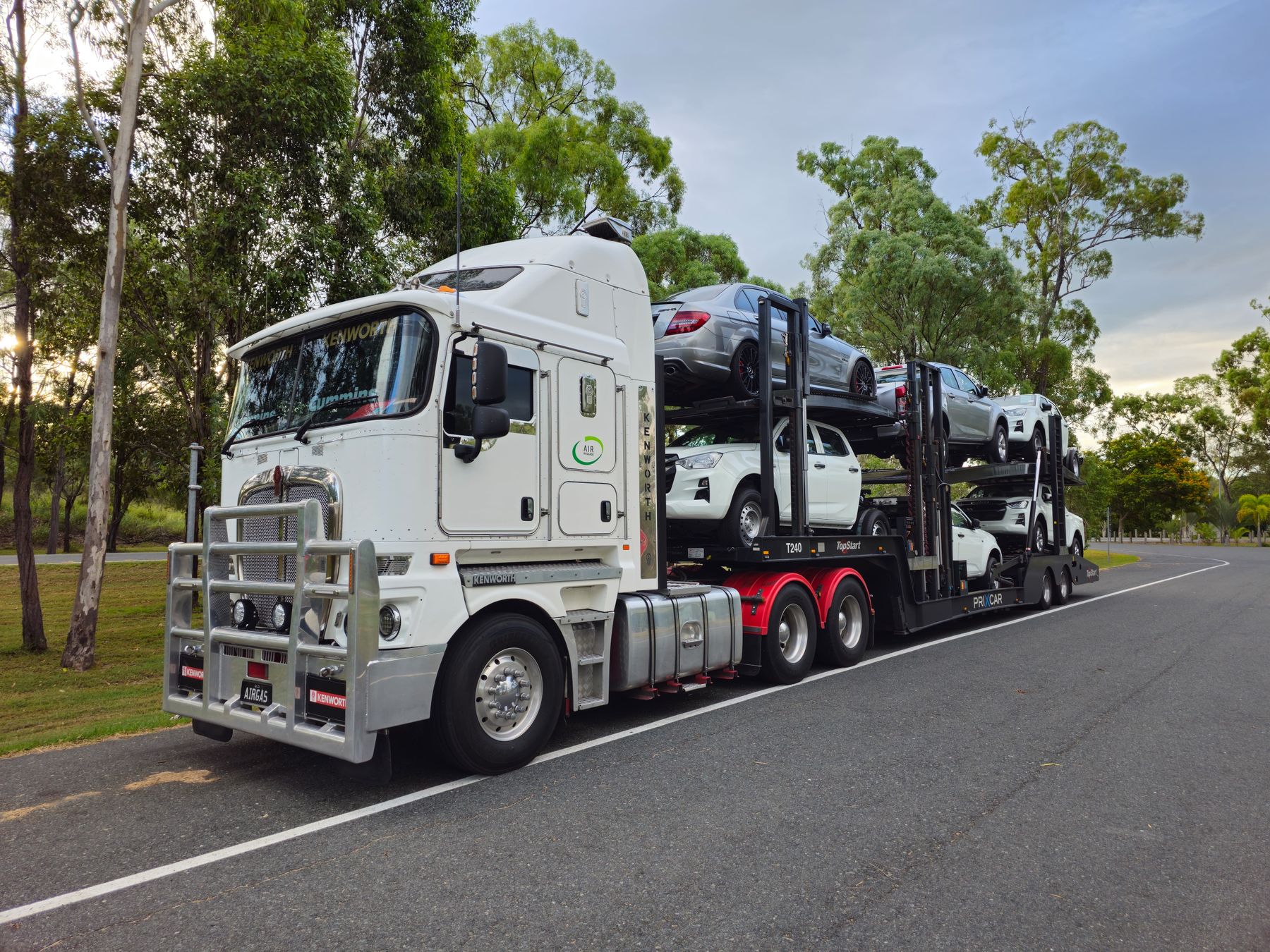 OPEN TRANSPORTSee the most common equipment.
 ENCLOSEDCompare added road protection.
 PICKUP & DELIVERYKnow what to inspect.