VEHICLE SHIPPING CHECKLIST

A visual plan from request to delivery.

Use the checklist before pickup, during inspection, and again at delivery. The assigned provider may add requirements based on equipment and vehicle condition.

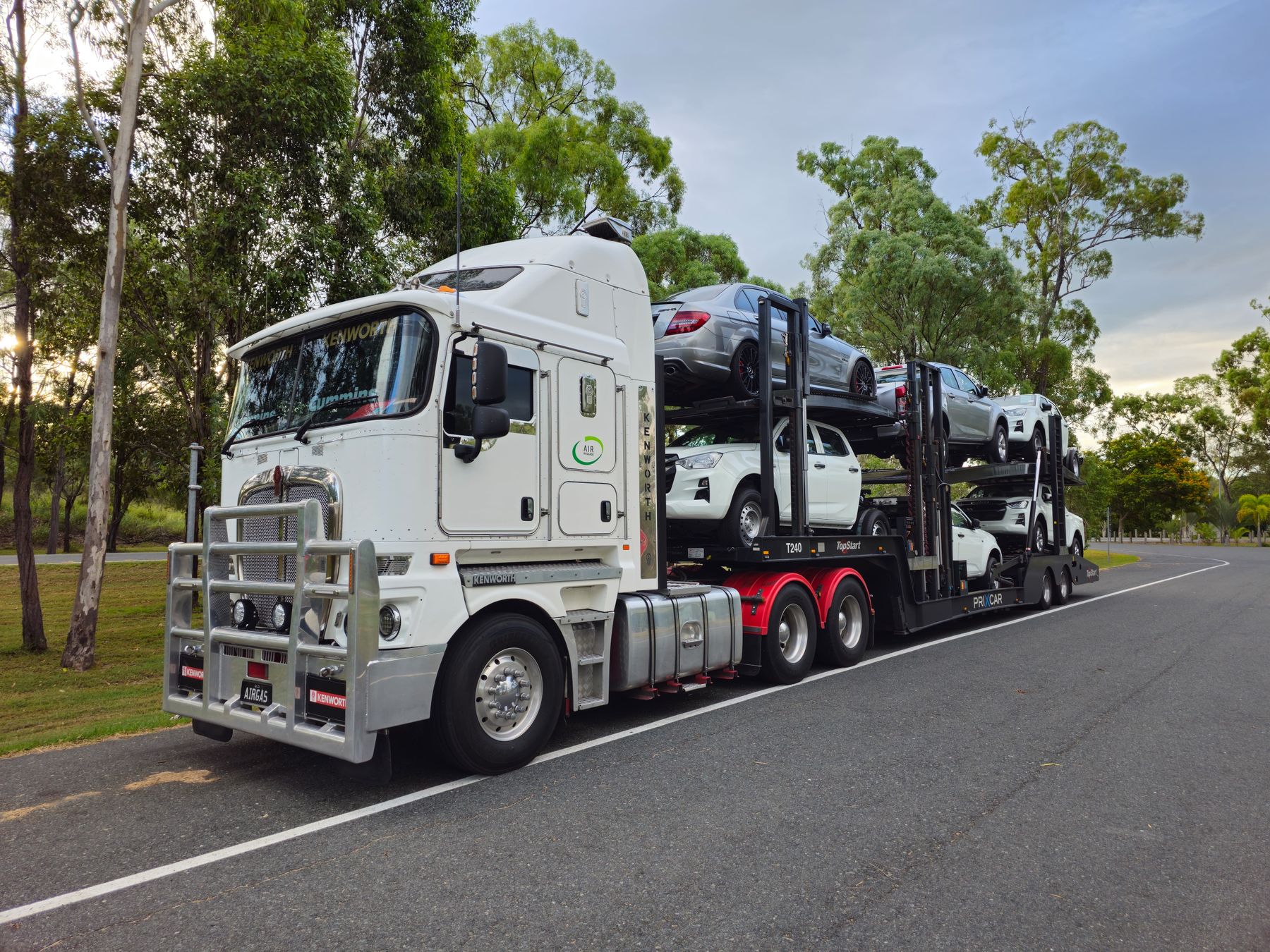
Vehicles loaded on an auto transport carrier
01

When you request transport

  • Use the exact pickup and delivery ZIP codes whenever possible.
  • Disclose whether the vehicle runs, steers, brakes, and rolls normally.
  • Mention modifications such as lift kits, lowered suspension, roof racks, oversized tires, or unusually low clearance.
  • Choose open, enclosed, or compare both based on the vehicle and your priorities.
  • Keep your pickup dates realistic and note how flexible you can be.
02

A few days before pickup

  • Wash enough of the exterior to make existing scratches, dents, and chips easy to see.
  • Take time-stamped photos from all sides, plus close-ups of existing damage.
  • Remove valuables and personal items unless the assigned provider explicitly approves them.
  • Remove or secure loose exterior accessories, detachable racks, antennas, and custom pieces.
  • Check the battery, tire pressure, and obvious fluid leaks.
  • Tell the provider about mechanical issues that could affect loading or unloading.
03

Before the carrier arrives

  • Leave only the fuel needed for loading and unloading; many providers prefer roughly a quarter tank or less.
  • Disable aftermarket alarms and remove toll transponders if you do not want accidental charges.
  • Have a working key ready for the driver and keep your primary key set with you.
  • Confirm the pickup location can safely accommodate a large transport truck; arrange a nearby meeting point if needed.
  • Have the responsible adult who will sign the pickup paperwork available.
04

At pickup

  • Walk around the vehicle with the driver before loading.
  • Compare the carrier condition report with your own photos and notes.
  • Make sure visible pre-existing damage is documented before you sign.
  • Save a copy or photo of the bill of lading or condition report.
  • Confirm the expected communication method and approximate delivery window.
05

At delivery

  • Inspect the vehicle before signing the final delivery paperwork.
  • Compare the vehicle with your pickup photos and condition report in good lighting when possible.
  • Note any new visible damage on the delivery paperwork before signing.
  • Take photos immediately if something appears different.
  • Keep all shipment documents and communication until any issue is fully resolved.
NEXT STEP

Have your route ready?

Compare transport options
Open vehicle carrier traveling on the roadOPEN TRANSPORTSee the most common equipment.Enclosed vehicle transport equipmentENCLOSEDCompare added road protection.Vehicle being loaded for transportPICKUP & DELIVERYKnow what to inspect.