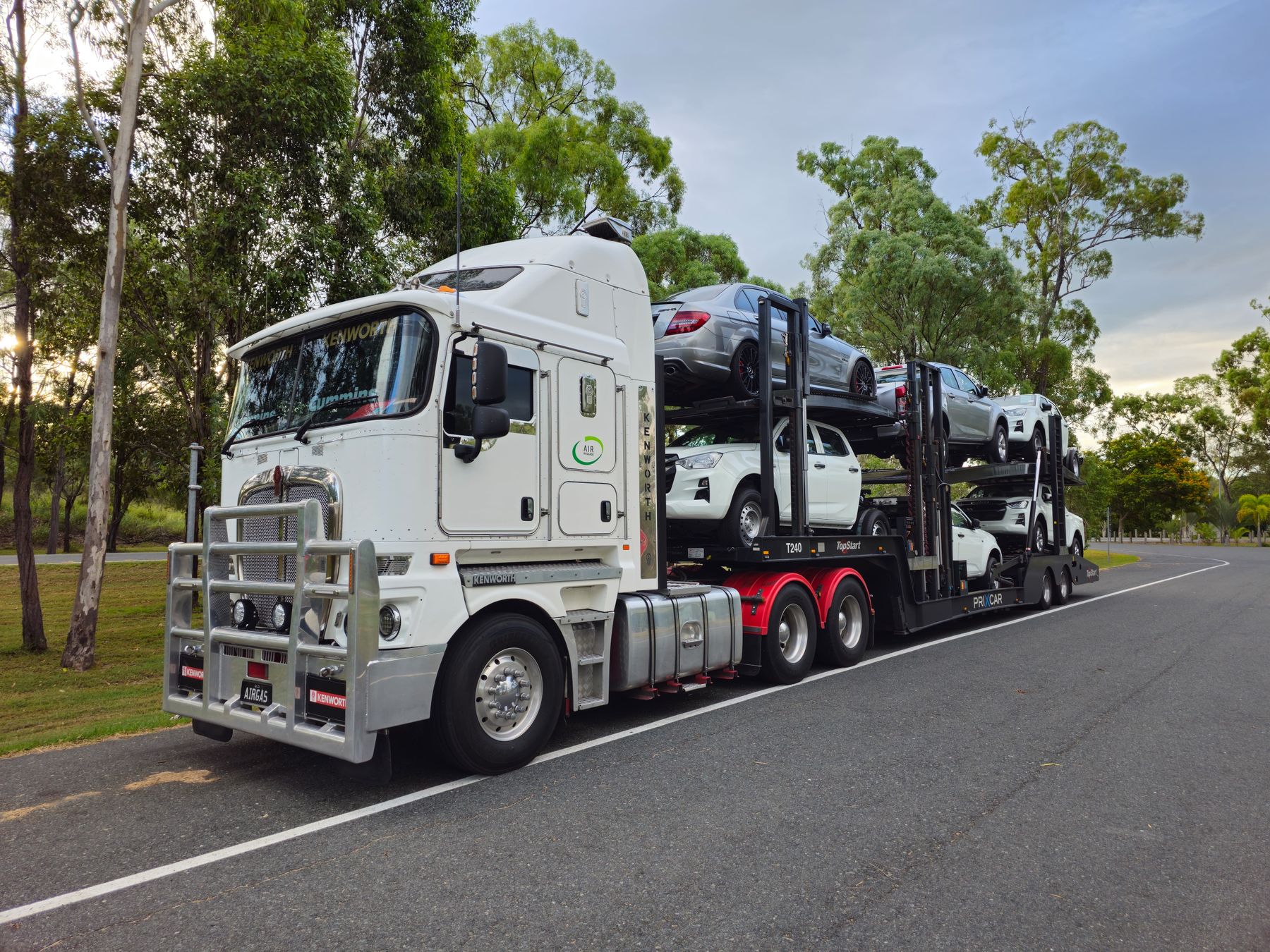
Southern California to Houston or San Antonio often aligns with the I-10 corridor; a Dallas–Fort Worth delivery may follow a different North Texas connection. Confirm the proposed route with the provider instead of treating a state-to-state mileage estimate as a schedule.
INTERSTATE AUTO TRANSPORT
California → Texas Car shipping
This is a major long-haul lane with substantial metro-to-metro activity. Exact pickup ZIPs and flexibility still matter, especially outside large population centers.
CACalifornia
TXTexas
Ask these questions with your route request.
- Can the carrier reach both addresses, or should we agree on nearby meeting points?
- Does the offer include the full California pickup and Texas delivery legs for my exact ZIP codes?
- Who will confirm the pickup window and coordinate the delivery inspection?
CarHaul may refer your request to a participating independent provider. Availability for your ZIP codes, dates and equipment must be confirmed for your shipment.
ROUTE-SPECIFIC GUIDANCE
Plan the California to Texas handoff around the actual city pair
A Los Angeles to Houston move and a Bay Area to Dallas move do not use the same pickup, linehaul, or delivery plan. Share both ZIP codes, the earliest ready date, and any access limits before comparing offers.
Bay Area or Sacramento pickup can add a positioning leg before the long eastbound move. Ask whether the carrier can load at your address, especially on narrow residential streets, or agree on a safe nearby meeting point.
At delivery, arrange an adult to inspect the car and compare its condition with the pickup bill of lading before signing. If the delivery ZIP or contact changes, tell the provider early so the final handoff can be planned.


THE LANE
Carrier fit starts with the exact endpoints.
California
Los AngelesSan DiegoBay AreaSacramento
Texas
Dallas–Fort WorthHoustonAustinSan Antonio
WHAT MOVES THE PRICE
Distance is only one part of the quote.
Real provider pricing depends on exact ZIP codes and current capacity, so route pages should explain the variables rather than publish a fake universal price.
Exact pickup & delivery
Metro-to-metro access is different from rural repositioning or difficult residential access.
Vehicle size & condition
Large, modified, low-clearance, or non-running vehicles can require different equipment.
Open vs enclosed
Enclosed equipment generally has lower capacity and a different market price.
Pickup flexibility
A narrow pickup requirement can reduce the provider pool compared with a flexible window.
ROUTE PLANNING
What providers are likely to consider.
Likely corridors
I-10I-40 / I-20I-5 connections
Pickup reality
Large carriers need legal, safe access and enough space to maneuver. A nearby commercial meeting point can sometimes be more practical than a narrow residential street.
Timing reality
An estimated window is not a carrier assignment. The provider actually handling the shipment should confirm pickup coordination.
SERVICE CHOICES
Choose equipment based on the vehicle.

BEFORE YOU BOOK
Use the guides that match this shipment.
EXPLORE BOTH ENDS
State guides for this shipping route.
Review pickup access, local transport markets, and seasonal conditions at both ends of the shipment.
Compare nearby shipping plans.
Review other lanes from the same origin, to the same destination, or in the reverse direction. Availability and pricing can differ by direction.
Compare written offers for this route
Use the same pickup and delivery ZIP codes, vehicle, equipment and pickup window for each provider.
Compare written shipping quotes →