Pickup can take longer than transit planning suggests
The first challenge is matching a provider already positioned near the origin and moving toward the destination corridor.
Exact ZIP codes, corridor density, provider positioning, weather, vehicle type, and pickup flexibility matter more on a 2,000–3,000 mile move.

The first challenge is matching a provider already positioned near the origin and moving toward the destination corridor.
Distance, traffic, weather, scheduled stops, loading sequence, equipment issues, and driving-hour limits can all affect arrival timing.
Major interstate markets usually offer more carrier flow than remote endpoints that require a long empty repositioning leg.
A wider pickup window gives providers more ways to fit the vehicle into an existing long-haul route.
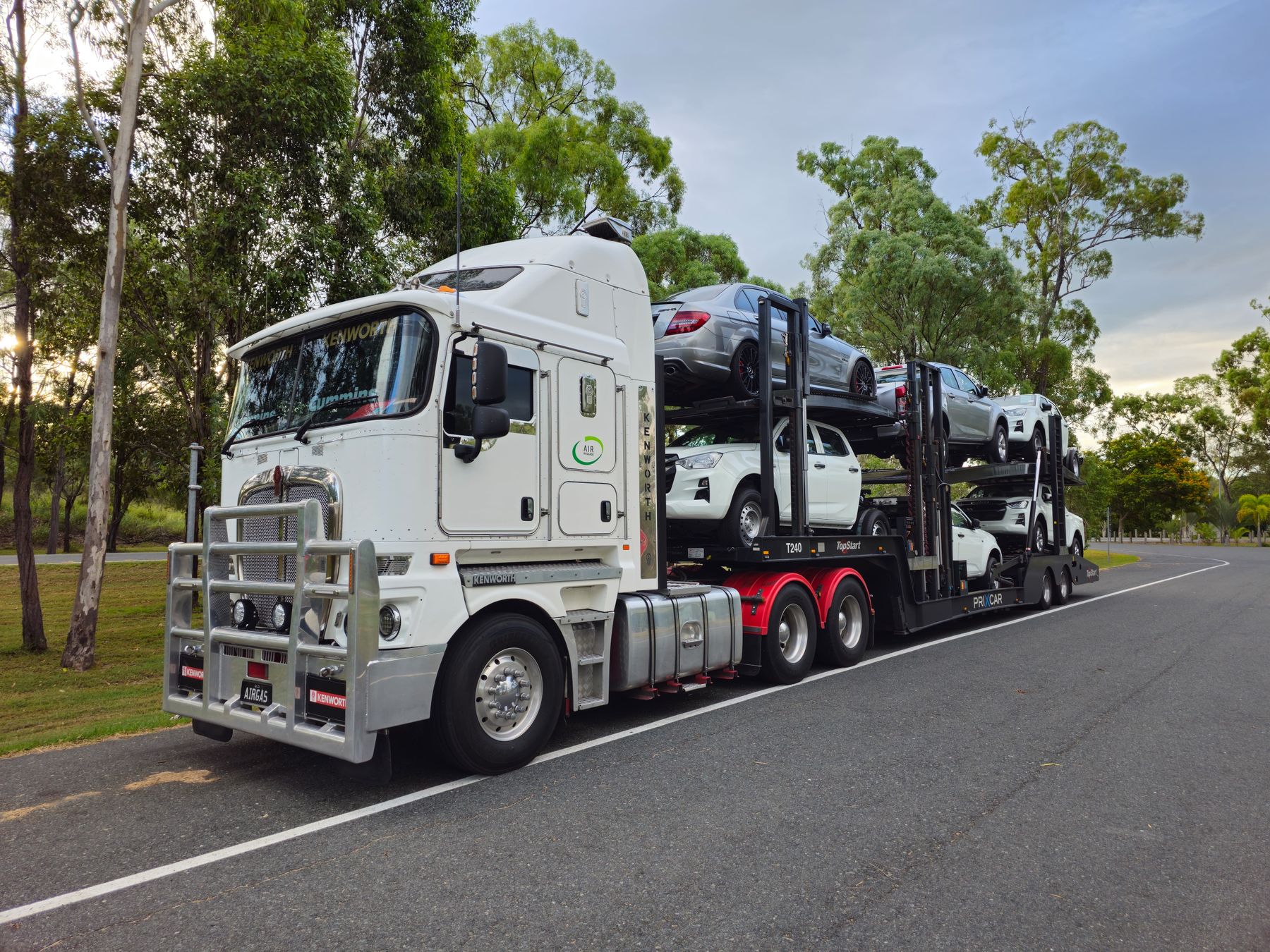 OPEN TRANSPORTSee the most common equipment.
 ENCLOSEDCompare added road protection.
 PICKUP & DELIVERYKnow what to inspect.